BLACKOUT ((LITERATUR, ÄSTHETIK & FILM))
((LITERATUR, ÄSTHETIK & FILM))
Menü
Schließen
tEXTE
Peter Bouscheljong | parteinahme [einu0026nbsp;fragment]
My book u0026#8218;A Small Poetics of Insurrectionu0026#8216; is out in a Portugueseu0026nbsp;translation
Peter Bouscheljong | Die Verweigerung oder Anmerkungen zu u0026#8222;communismus der geister/dokumente #1 –u0026nbsp;#3u0026#8220;
Peter Bouscheljong | Corpus/Grammar [after Danielleu0026nbsp;Collobert]
Peter Bouscheljong | Corpus/Grammatik [nach Danielleu0026nbsp;Collobert]
Peter Bouscheljong | no music no poetry no prose no photographs [Danielle Collobert, Alix Cléo Roubaud, Agnès Rouzier] N°u0026nbsp;1
Peter Bouscheljong | no music no poetry no prose no photographs [Danielle Collobert, Alix Cléo Roubaud, Agnès Rouzier]u0026nbsp;N°3
Peter Bouscheljong | no music no poetry no prose no photographs [Danielle Collobert, Alix Cléo Roubaud, Agnès Rouzier]u0026nbsp;N°2
Peter Bouscheljong |u0026nbsp;SCHIBBOLETH
Peter Bouscheljong | invisibleu0026nbsp;relations
Peter Bouscheljong | die unsichtbarenu0026nbsp;verhältnisse
Peter Bouscheljong | communism of spirits/documents #1 —u0026nbsp;#3
Peter Bouscheljong | communismus der geister / dokumente #1 u0026#8211;u0026nbsp;#3
My poems ACTION #1 u0026#8211; #4 were translated into Greek by Jazra Khaleed for TEFLON #u0026nbsp;29
Peter Bouscheljong | dreaming of one thing [subversiveu0026nbsp;chronicle]
Peter Bouscheljong | der traum von einer sache [subversiveu0026nbsp;chronik]
ACTION #5 [THE POET AS PRODUCER] u0026amp; ACTION #6 [THE BUSINESS OF MR JULIUS CAESAR AFTER BRECHT OR THE MIGRANTS OF REGGIO CALABRIA]
Lana Turner No.14
Peter Bouscheljong | “PORNO-THEO-COLOSSAL” [[AFTERu0026nbsp;PASOLINI]]
Peter Bouscheljong | A SMALL POETICS OFu0026nbsp;INSURRECTION
My review of Galina Rymbuu0026#8217;s u0026#8222;Life in Spaceu0026#8220; in Tripwireu0026nbsp;18
ANNOUNCING TRIPWIRE PAMPHLET #8: PETER BOUSCHELJONG | THE PROCESSES, A FACTOGRAPHICALu0026nbsp;PROEM
Peter Bouscheljong | ARTAUD-THEATRE-DU-VIEUX-COLOMBIER*.COM
Peter Bouscheljong | artaud-theatre-du-vieux-colombier*.com
Peter Bouscheljong | Notes on Eventsu0026nbsp;((Lamentation))
Peter Bouscheljong | [ACTION #4] MASSLESSu0026nbsp;COUNTERPOETICS
Peter Bouscheljong | [ACTION #3] BRITISH SOUNDS | NACH ANNAu0026nbsp;MENDELSSOHN
Peter Bouscheljong | [ACTION #2] PASOLINIu0026nbsp;Lu0026#8217;ENRAGÉ
Peter Bouscheljong | [ACTION #1] HEINER MÜLLERS INSZENIERUNG DES u0026#8218;DER UNTERGANG DES EGOISTEN JOHANN FATZERu0026#8216; VONu0026nbsp;BRECHT
Peter Bouscheljong | u0026#8218;JEDE REVOLUTION IST EIN WÜRFELWURFu0026#8216; / EVERY REVOLUTION IS A THROW OFu0026nbsp;DICE
Peter Bouscheljong | Anmerkungen zum Geschehenu0026nbsp;((Totenklage))
Peter Bouscheljong | PORNO-TEO-KOLOSSAL ((nachu0026nbsp;Pasolini))
Peter Bouscheljong | NON CONSUMIAMOu0026nbsp;MARX
Peter Bouscheljong | DIE PROZESSE — Ein faktographisches Poem
Peter Bouscheljong | RIMBAUD FABRIK /u0026nbsp;1
Peter Bouscheljong | RIMBAUD FABRIK /u0026nbsp;2
Peter Bouscheljong | RIMBAUD FABRIK / 3 »Anywhere out of theu0026nbsp;World«
Peter Bouscheljong | Kleine Poetik des Aufstands (Erstesu0026nbsp;Manifest)
Peter Bouscheljong | DIE AFFÄRE LEBOVICI | PSYCHOGEOGRAPHIE [ACTEu0026nbsp;XVIII]
Peter Bouscheljong | HERE u0026amp; ELSEWHERE / HIER UNDu0026nbsp;ANDERSWO
Peter Bouscheljong |u0026nbsp;NEGATIONEN
Peter Bouscheljong | GHOSTSu0026nbsp;((A-234))
Peter Bouscheljong | [[das Phantomu0026nbsp;Lautréamonts]]
Peter Bouscheljong | molekulare revolutionu0026nbsp;1.1
Peter Bouscheljong | Theater der Grausamkeiten [6.1 /u0026nbsp;6.2]
Peter Bouscheljong | LA RABBIA //PASSIONu0026nbsp;PASOLINI
Peter Bouscheljong | CELAN SPURENu0026nbsp;(1)
Peter Bouscheljong | Die identitärenu0026nbsp;Idioten
Peter Bouscheljong | CELAN SPURENu0026nbsp;(2)
PROTEST
COLOSSAL YOUTH / JUVENTUDE EMu0026nbsp;MARCHA
POESIE
Agnès Rouzier | from u0026#8222;Letters to a Deadu0026nbsp;Writeru0026#8220;
Norbert Lange | Aufgeschlossen nahezuu0026nbsp;(Auszug)
Heiner Müller | Pier Paolo Pasolini, Fragment to Death u0026amp; Memo 409
Heiner Müller | MOMMSENu0026#8217;S BLOCK (for Félixu0026nbsp;Guattari)
Lyn Hejinian | From u0026#8218;Positions of theu0026nbsp;Sunu0026#8216;
Pier Paolo Pasolini | Poetry [from u0026#8222;Transhumanize and Organizeu0026#8220;]
Pier Paolo Pasolini | A Desperateu0026nbsp;Vitality
Danielle Collobert | Itu0026nbsp;Then
Katerina Gogou | AND THATu0026#8217;S HOW Iu0026#8217;LL GOu0026nbsp;AWAY
Katerina Gogou / AUTOPSYu0026nbsp;REPORT
Anna Mendelssohn | the fourteenthu0026nbsp;flight
Karen Brodine | Woman Sitting at the Machine,u0026nbsp;Thinking
Galina Rymbu |u0026nbsp;Poems
Miyó Vestrini |u0026nbsp;Poems
Sergio Raimondi |u0026nbsp;Poems
Amelia Rosselli | Poetry andu0026nbsp;Poetics
Jazra Khaleed | Poems (u0026#8222;Smashing Fascistu0026nbsp;Headsu0026#8220;)
Sean Bonney | Ouru0026nbsp;Death
Arthur Rimbaud | Poemsu0026nbsp;1871/72
Arthur Rimbaud | A Season inu0026nbsp;Hell
Antonin Artaud | The Return of Artaud, Theu0026nbsp;Mômo
Antonin Artaud | Interjections [Suppôts etu0026nbsp;Suppliciations]
POETIK
Abigail Lang | The Ongoing French Reception of theu0026nbsp;Objectivists
Reading Danielle Collobert
Danielle Collobert; Notebooks
Jean-Marie Gleize; u0022Where do the dogs go?u0022
Democracy. Jean-Marie Gleize / Rimbaud / Kristinu0026nbsp;Ross
Sean Bonney | Notes on Militantu0026nbsp;Poetics
Sean Bonney | Letters Against theu0026nbsp;Firmament
Nathaniel Mackey | Canteu0026nbsp;Moro
Henri Chopin
Michel Leiris | Jean-Arthur Rimbaudu0026#8217;s Adventurousu0026nbsp;Life
Arthur Rimbaud | The Lettersu0026nbsp;(1870-1872)
ÄSTHETIK
Antoine Volodine | The Fringe ofu0026nbsp;Reality
Georges Didi-Huberman | The Supposition of The Aura: The Now, The Then and Modernity (Walteru0026nbsp;Benjamin)
Georges Didi-Huberman | Hells? (On Pier Paolou0026nbsp;Pasolini)
Georges Didi-Huberman; To Renderu0026nbsp;Sensible
Georges Didi-Huberman | Light againstu0026nbsp;Light
Karoline Feyertag | The Art of Vision and the Ethics of the Gaze. On the Debate on Georges Didi-Hubermanu0026#8217;s Book ”Images in Spite ofu0026nbsp;All”
Lorenzo Chiesa; Lacan withu0026nbsp;Artaud
Pierre Guyotat, Donatien Grau. To lay a hand on the shoulder of future victimsu0026nbsp;u0026#8230;
Velimir Khlebnikov | Collected Worksu0026nbsp;1/2/3
Eduardo Viveiros de Castro; The Untimelyu0026nbsp;Again
Fernand Deligny | The Arachnean and Otheru0026nbsp;Texts
Pasolini on de Sade: An Interview during the Filming of u0026#8218;Salò or the 120 Days ofu0026nbsp;Sodomu0026#8216;
Roland Barthes | Sade u0026#8211;u0026nbsp;Pasolini
Deleuze u0026amp; Guattari; Capitalism: A Very Specialu0026nbsp;Delirium
Deleuze/Guattari; How Do You Make Yourself a Body Withoutu0026nbsp;Organs?
Mark Fisher | Acid Communism (Unfinishedu0026nbsp;Introduction)
Mark Fisher; Ghosts Of Myu0026nbsp;Life
Mark Fisher; Capitalist Realism | Is There Nou0026nbsp;Alternative?
Mark Fisher; The Weird And Theu0026nbsp;Eerie
Mark Fisher | Hauntology, Nostalgia and Lost Futures | Interviewed by V. Mannucci u0026amp; V.u0026nbsp;Mattioli
FILM
Harun Farocki | Peter Weiss On Display (The Aesthetics ofu0026nbsp;Resistance)
Farocki / Godard: Film as Theory; by Volkeru0026nbsp;Pantenburg
Jean-Luc Godard | What is to be done? // British Sounds, by J.-L. Godardu0026nbsp;[DVG]
Harun Farocki / Kaja Silverman | Speaking aboutu0026nbsp;Godard
Jean-Marie Straub / Danièle Huillet | Hölderlin, That Isu0026nbsp;Utopia
u0026#8222;Ardent Hopeu0026#8220; u0026#8211; Interview with Jean-Luc Godard u0026#8211; Cahiers duu0026nbsp;cinéma
Jean-Luc Godardu0026#8217;s u0026#8222;Militant Filmmakingu0026#8220;; by Irmgardu0026nbsp;Emmelhainz
Jacques Rancière | Documentary Fiction: Chris Marker and the Fiction ofu0026nbsp;Memory
Jacques Rancière; Seeing Things Through Things / Moscow,u0026nbsp;1926
Jacques Rancière u0026amp; Philippe Lafosse | Politics and Aesthetics in the Straubs‘ Films
Jacques Rancière | The Fraternal Image; interviewed by Serge Daney u0026amp; Sergeu0026nbsp;Toubiana
Jacques Rancière; Theu0026nbsp;Unforgettable
The Power of Political, Militant, u0026#8218;Leftistu0026#8216; Cinema. Interview with Jacquesu0026nbsp;Rancière
Jacques Rancière | The Red of La Chinoise: Godard’s Politics
LESELISTE
reading list [6/2025]
reading list [3/2025]
Books of 2024
riots and/or poeticsu0026nbsp;[9/2024]
riots and/or poeticsu0026nbsp;[5/2024]
riots and/or poeticsu0026nbsp;[9/2023]
Best Books ofu0026nbsp;2022
riots and/or poeticsu0026nbsp;[6/2022]
Best Books ofu0026nbsp;2021
riots and/or poeticsu0026nbsp;[5/2021]
riots and/or poeticsu0026nbsp;[1/2021]
Best Books ofu0026nbsp;2020
riots and/or poeticsu0026nbsp;[7/2020]
riots and/or poeticsu0026nbsp;[5/2020]
riots and/or poeticsu0026nbsp;[3/2020]
Best Books ofu0026nbsp;2019
riots and/or poeticsu0026nbsp;[10/2019]
riots and/or poeticsu0026nbsp;[8/2019]
riots and/or poeticsu0026nbsp;[4/2019]
riots and/or poeticsu0026nbsp;[01/2019]
Best Books ofu0026nbsp;2018
riots and/or poeticsu0026nbsp;[10/2018]
riots and/or poeticsu0026nbsp;[6/2018]
Best books ofu0026nbsp;2017
READING LIST [08/2017]
Best books of 2016 / Herausragende Bücheru0026nbsp;2016
riots and/or poeticsu0026nbsp;[8/2018]
KONTAKT
Schlagwort:
Louis Althusser
Heiner Müller | Pier Paolo Pasolini, Fragment to Death & Memo 409
POESIE
·
4/13/2023
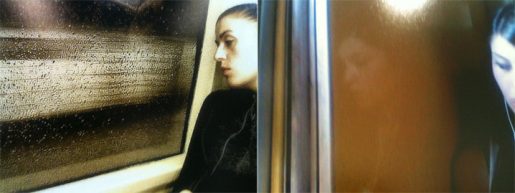
Peter Bouscheljong | dreaming of one thing [subversive chronicle]
TEXTE
·
12/2/2022
Jacques Rancière | Staging the People
FILM
·
11/18/2018
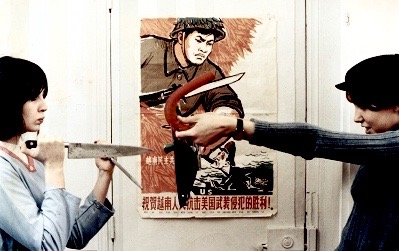
Jacques Rancière | The Red of ‚La Chinoise‘: Godard’s Politics
FILM
·
10/14/2018
Abonnieren
Abonniert
BLACKOUT ((LITERATUR, ÄSTHETIK & FILM))
Schließe dich 511 anderen Abonnenten an
Anmelden
Du hast bereits ein WordPress.com-Konto?
Melde dich jetzt an.
BLACKOUT ((LITERATUR, ÄSTHETIK & FILM))
Abonnieren
Abonniert
Registrieren
Anmelden
Melde diesen Inhalt
Website im Reader anzeigen
Abonnements verwalten
Diese Leiste einklappen
![Peter Bouscheljong | dreaming of one thing [subversive chronicle]](https://my-blackout.com/wp-content/uploads/2022/05/340b0d21-aa05-44ba-ae2d-1facd9933751-1-e1653358592932.jpeg?w=500)
 BLACKOUT ((LITERATUR, ÄSTHETIK & FILM))