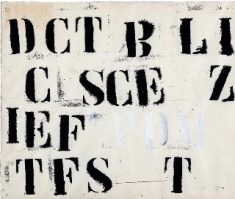
[…] der zustrom unterschiedlicher empfindungen durch das fliessen der worte (über und durch die haut) und die zersplitterungen eines wesens auf ein blatt papier zu übertragen. also verweigert sich die poesie einer repräsentativen logik oder einem solchen verstehen, lässt alle versuche einer klassifizierung in sich zusammenfallen. und man weiss, dass der negationismus zwei ressourcen hat, von denen eine darin besteht, nicht zu sehen, was in der tat nicht mehr sichtbar ist, während die andere darin besteht, den kontext der ereignisse biz zu dem punkt zu entfalten, an dem die besonderheit des verschwindens verschwunden ist.
Tag: Claude Lanzmann
Karoline Feyertag | The Art of Vision and the Ethics of the Gaze. On the Debate on Georges Didi-Huberman’s Book ”Images in Spite of All”
For Didi-Huberman the only thing to be gained from the Medusa myth is that it reveals Perseus’ victorious cunning—he having succeeded with the help of Medusa’s reflection in his shield in decapitating the monster. To survive and to bear witness it is necessary to apply cunning. It is above all necessary to muster the ”courage to gain insight” into a numbing and/or life-threatening reality.
Jacques Rancière | Documentary Fiction: Chris Marker and the Fiction of Memory
The Last Bolshevik is the title of the film Chris Marker dedicates to the memory of Alexander Medvekin, the Soviet filmmaker who was born with his century and who died during the Perestroika. To speak of ‘memory’ is to raise the paradox of the film at the outset. Marker’s film cannot very well hope to preserve the memory of a filmmaker whose films we have not seen and whose name was, until quite recently, unfamiliar to most of us. Nor is this situation much different with Medvekin’s compatriots, who are as likely to know his films as we are. The…